3 min read
A complete timeline of Google's major algorithm updates from Panda to the un-named 2026 core updates, what each targeted, and how to run attribution analysis after every rollout.
Google ran named algorithm updates for two decades until the naming convention ended in March 2025. Now six un-named core updates have rolled out in 2026, making signal attribution harder for practitioners who relied on update names to correlate traffic changes.
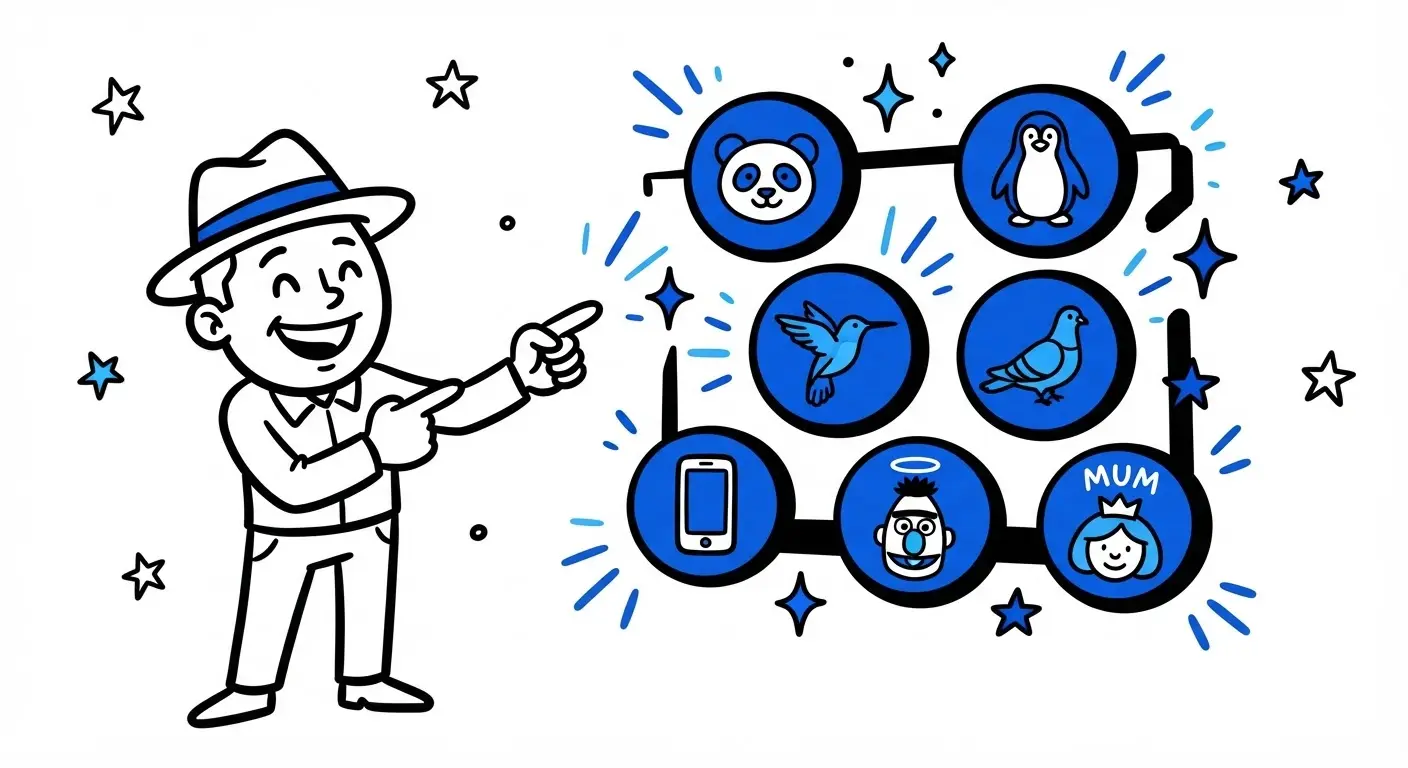
Google ran named algorithm updates for two decades. The Panda, Penguin, Hummingbird, Pigeon, Mobilegeddon, Fred, RankBrain, BERT, MUM, Helpful Content, and Spam Update series each addressed a specific ranking signal weakness.
The naming convention ended when Google absorbed the Helpful Content classifier into core ranking in March 2025, per Google's Search Central ranking updates page.
The August 2025 spam update ran from August 26 to September 22, 27 days total, per the Search Central status dashboard. SpamBrain improvements drove the rollout. The update functioned as penalty-only with no positive winners emerging across SERPs.
After the March 2025 absorption, Google stopped naming updates. Updates still happen. They now carry the generic "core update" label. The lack of naming makes signal attribution harder for practitioners.
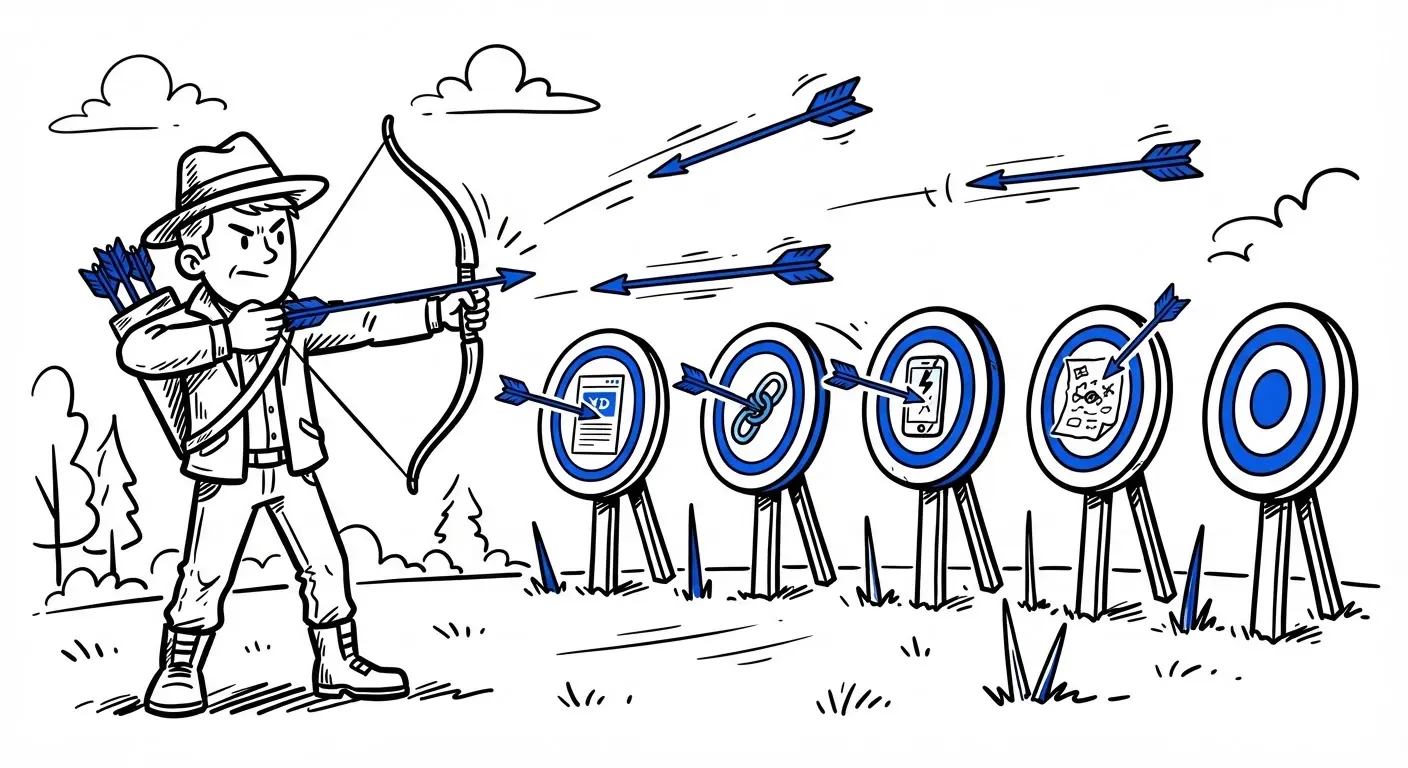
Each named update addressed a specific signal weakness. The Panda series targeted thin content. The Penguin series targeted link spam. The Hummingbird series introduced semantic matching. The Mobile update targeted mobile-unfriendly pages. The RankBrain update introduced machine learning into ranking.
The Helpful Content Update series ran across the prior era and targeted pages written primarily for ranking instead of for users. The series affected 23% of measurable query rankings across the affected period, per Outlier Ad's 2026 algorithm retrospective.
The Spam Update series targeted link manipulation, doorway pages, expired domain abuse, scaled content abuse, and cloaking. The August 2025 SpamBrain rollout was the latest named iteration of that series, per Search Engine Journal.
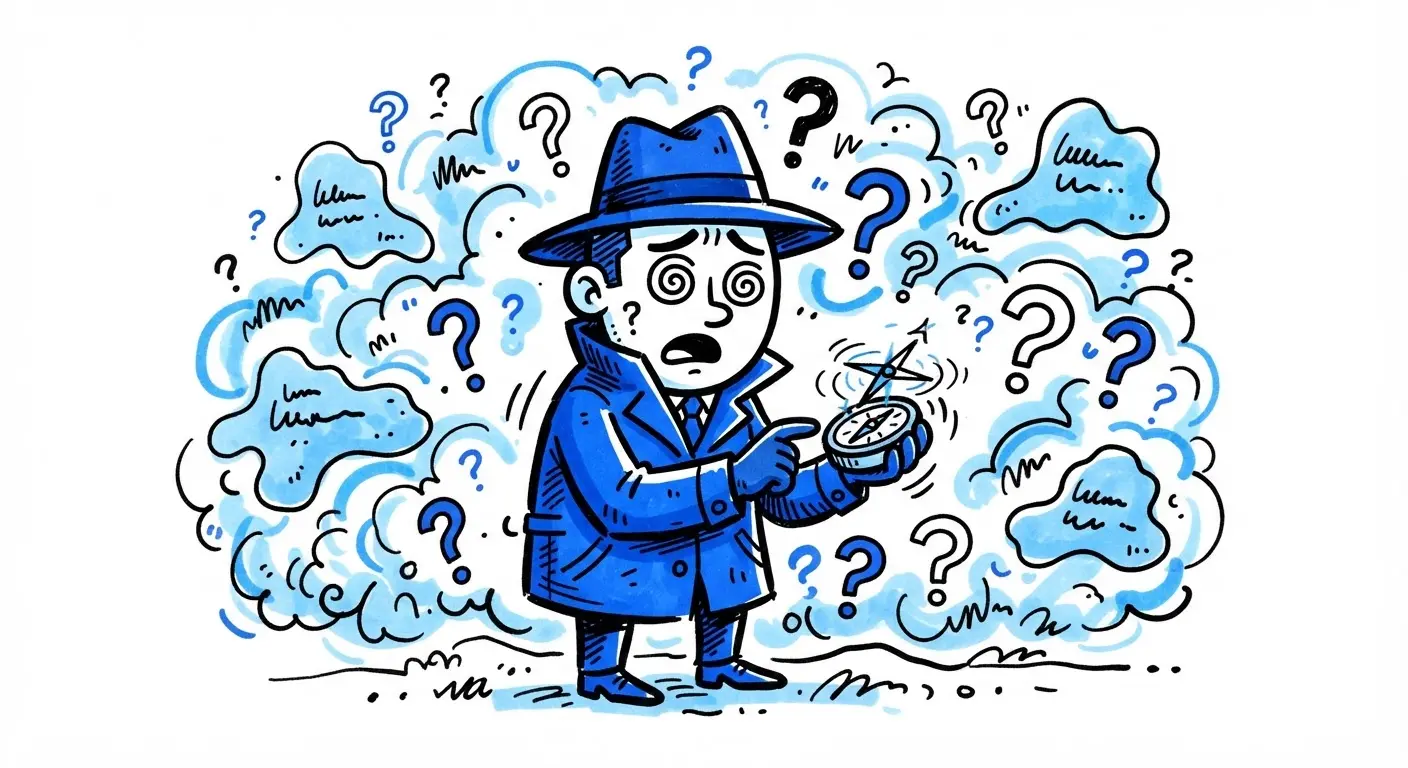
Since March 2025, Google has rolled out six core updates without specific names. Per SERanking's algorithm change tracker, the 2026 update cadence is one major update every 8-12 weeks on average.
The un-named updates typically combine several signal adjustments at once. Practitioners cannot isolate which signal affected their traffic without measurement infrastructure. The work is more opaque than during the named update era.
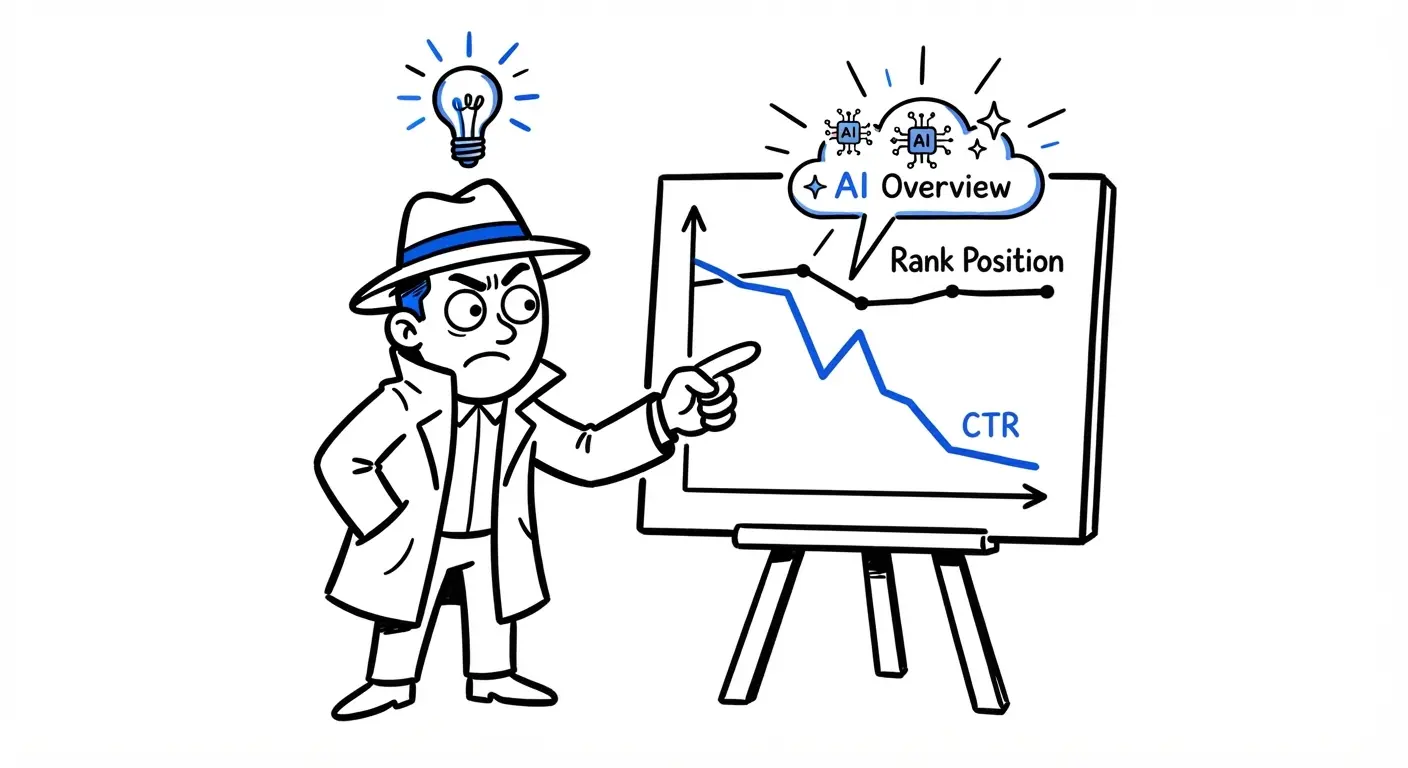
AI Overviews added a new dimension. Per Ahrefs' February 2026 study, queries triggering AIO see 58% lower CTR for the top-ranking page. The CTR change is sometimes mistaken for an algorithm update. It is not. It is the SERP layout changing underneath.
The discipline of attribution became harder. The named-update era let practitioners correlate traffic changes with specific algorithm releases. The un-named era requires pre/post comparison of impression data, position data, and citation-inclusion data across all three simultaneously.
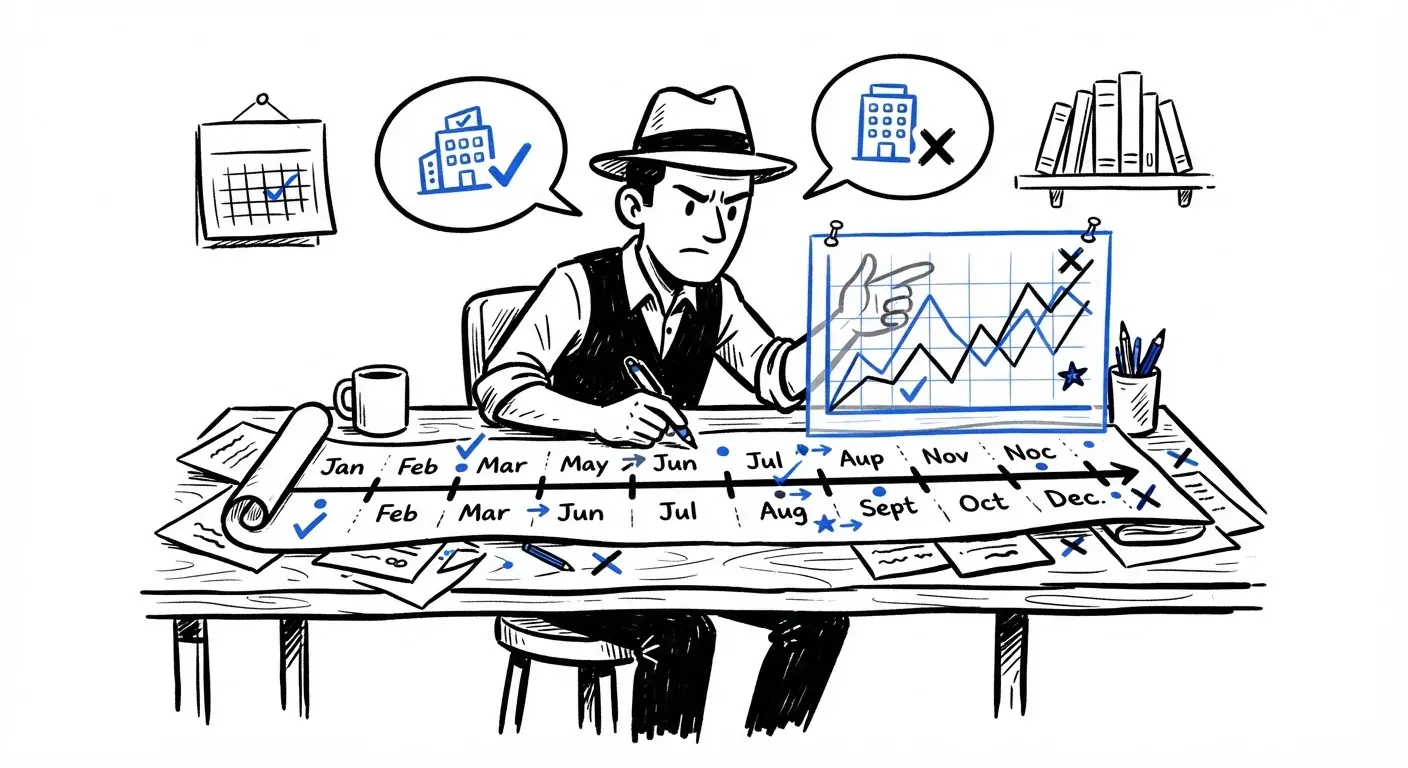
You open your analytics and pull a 12-month overlay of organic traffic, average position, and AI Overview presence rate for your top 50 queries. You correlate the data against the SERanking timeline of every confirmed Google update since March 2025.
You mark the dates of the six un-named 2026 updates on your traffic overlay. For each, you note the direction of change. Where traffic dropped without rank change, AIO presence probably changed. Where rank dropped without traffic change, CTR on the new SERP layout probably changed.
You compare your timeline to two peer sites in adjacent verticals. The overlap of update impacts tells you which updates were sector-specific and which were cross-cutting.
This post synthesizes 2025 and 2026 data from four sources: Google Search Central, Search Engine Journal, Outlier Ad, SERanking. Several non-public Google update signal-weighting documents remain unpublished as of writing. Replication required.
The named updates ended. The discipline of attribution did not. Audit monthly.
Discover more insights about web development and digital marketing